
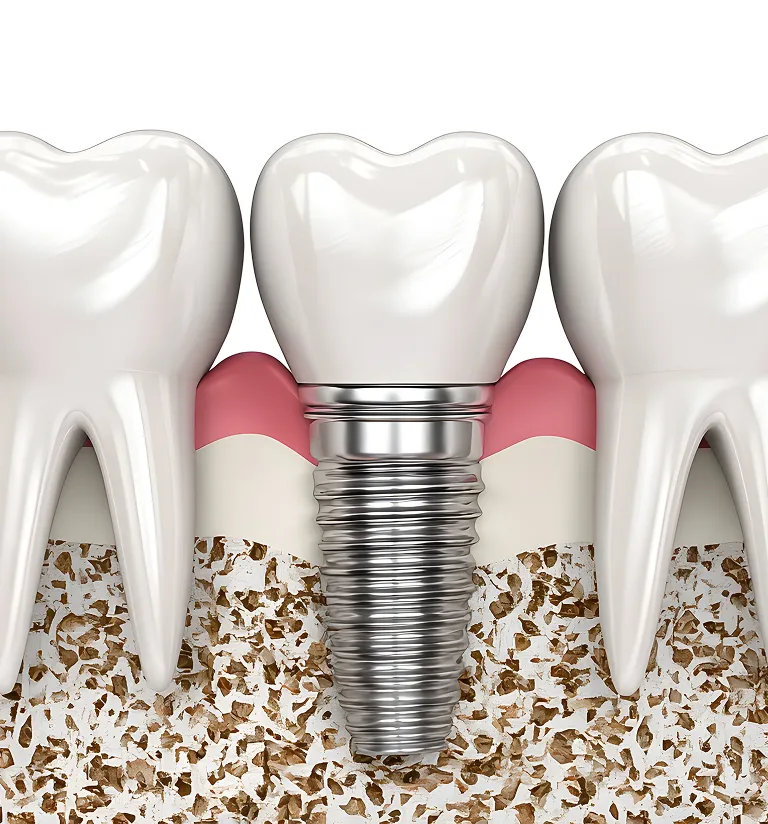
Dental implants East Longmeadow, MA have become one of the most reliable and natural-looking ways to replace missing teeth. They offer stability, long-term function, and a level of comfort that closely resembles natural teeth. However, one of the most common concerns patients bring to Delight Dental Studio is whether they can still receive implants if they have periodontitis. Since periodontitis affects the gums and the bone that supports the teeth, it is understandable why patients may assume implants are not possible.
The truth is more encouraging. Many patients with a history of gum disease, including periodontitis, can still receive dental implants once the condition is properly managed. The key lies in understanding the severity of the gum disease, treating it effectively, and preparing the mouth for a stable implant foundation.
What Is Periodontitis and Why Does It Matter?
Periodontitis is an advanced stage of gum disease that goes beyond simple inflammation. In its early form, gum disease may only cause redness or bleeding, but once it progresses into periodontitis, the condition begins to damage the ligaments and bone that support the teeth.
Since dental implants act like artificial roots placed in the jawbone, they require healthy bone and gums to remain stable. If periodontitis has weakened these structures, placing an implant without treatment can increase the chances of complications such as loosening, infection, or implant failure.
However, this does not mean implants are out of the question. It simply means that the gum disease must be addressed first.
Can You Get Dental Implants If You Have Active Periodontitis?
If your periodontitis is active and ongoing, implants cannot be placed immediately. Ongoing infection affects the gum tissue and jawbone, and placing an implant in an unstable environment increases the risk of failure.
Active periodontitis must be treated and controlled before any implant can be safely placed. This usually involves periodontal therapy, which may include deep cleanings, medication, and targeted gum treatments. The goal is to remove the bacteria causing the infection and allow the gums and bone to stabilize.
Once the disease is under control, many patients become strong candidates for dental implants.
What About Severe Periodontitis With Bone Loss?
Bone loss is one of the most common consequences of long-standing periodontitis. Since implants require a certain amount of healthy bone for anchorage, patients with significant bone loss may need additional treatment before moving forward.
Fortunately, bone loss does not automatically mean implants are impossible. Modern dentistry offers predictable solutions such as bone grafting. A bone graft helps rebuild the lost bone so the implant has enough foundation to integrate properly.
Bone grafting may take several months to heal, but it greatly improves the chances of long-term implant success. Many patients who initially thought implants were not an option discover that bone regeneration opens the door to treatment.
How the Implant Process Changes for Patients With Periodontitis
The implant process for someone with a history of gum disease is slightly more detailed than for someone with completely healthy gums. This is because gum disease is a chronic condition, and while it can be controlled, it requires ongoing care.
The process generally includes:
• A full dental examination and periodontal evaluation
• Deep cleaning or periodontal therapy to treat active disease
• Assessment of bone support and imaging to determine implant placement
• Bone grafting if bone loss is significant
• Implant placement only after the gums and bone are healthy
• Careful follow-up visits to monitor healing
At Delight Dental Studio, every step is personalized to ensure the gums and jawbone are strong enough to support the implant.
Are Dental Implants Safe After Periodontitis?
Once periodontitis is treated and the gum tissues are healthy, dental implants can be a very safe and effective option. In fact, many patients who suffered tooth loss due to gum disease find implants extremely beneficial, especially compared to removable dentures that may irritate the gums.
The key to safety is stability. Healthy gums and bone support help the implant integrate successfully, and once fully healed, implants can function just like natural teeth.
However, patients must commit to maintaining good oral hygiene and regular dental visits, because gum problems can return if plaque builds up around the implant.
Preventing Gum Problems After Getting Dental Implants
Even after implants are placed, patients with a history of periodontitis must continue to protect their gum health. The gums around an implant can still become inflamed if plaque accumulates. This is known as peri-implantitis, and it resembles gum disease around natural teeth.
Complications can be avoided by:
• Brushing twice a day
• Flossing daily
• Using recommended cleaning tools for implants
• Keeping up with routine professional cleanings
• Visiting the dentist at the first sign of discomfort or bleeding
With proper care, implants can last many years, even for patients who once struggled with gum disease.
Are Dental Implants Worth It After Having Periodontitis?
For many people, the answer is yes. Dental implants offer major benefits, especially for patients who have lost teeth due to periodontal disease. Implants prevent further bone loss, improve chewing comfort, and help patients regain confidence in their smile. They are stable, natural-looking, and easier to maintain than removable dentures.
What matters most is treating the gum disease first and creating a healthy environment for the implant to succeed.
Final Thoughts: Periodontitis Does Not Have to Stop You From Getting Implants
If you have periodontitis, it is still very possible to become a good candidate for dental implants with the right treatment plan. The gums and bone must be healthy before implant placement, but modern periodontal therapy and bone regeneration techniques make this achievable for many patients.
At Delight Dental Studio, we begin with a comprehensive evaluation to determine the most suitable path for your smile. If gum disease is present, we work step by step to restore your oral health before moving toward implants.
With proper preparation, patients with periodontitis can enjoy the benefits of strong, stable, and long-lasting dental implants.
Awards and Affiliations
Proud member of leading dental organizations, including the American Dental Association (ADA) and the American Academy of Implant Prosthodontics (AAIP).



This form is for contact purposes only. Please do not share personal health information (PHI). We will call you to discuss medical conditions or address them during your visit.

Mon to Thu: 9 am–5 pm
Fri: 9 am–2 pm
Sat and Sun: Closed






© 2026 Delight Dental Studio | All Rights Reserved | Privacy Policy | Digital Marketing by Remedo