
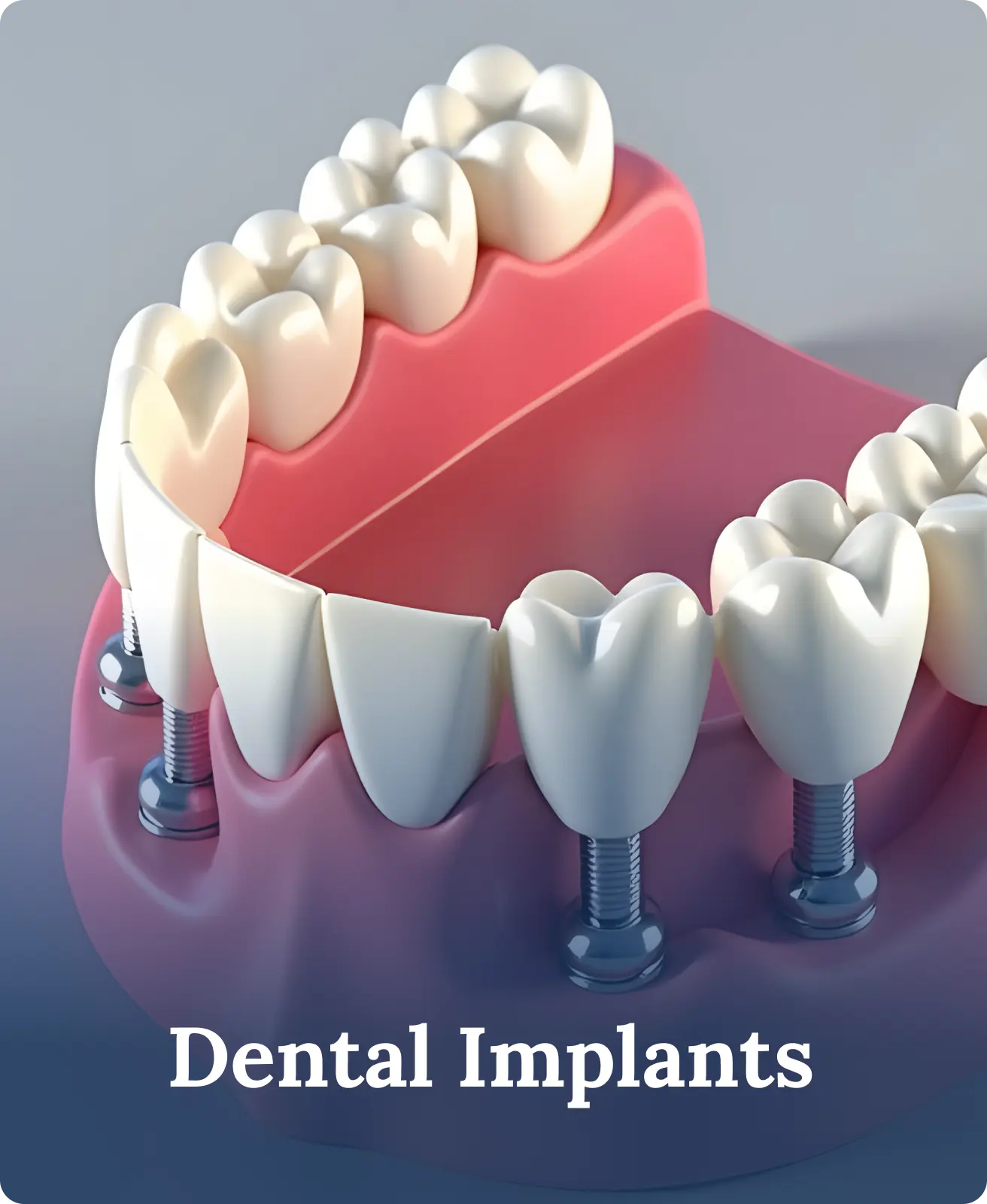
Dental implants are one of the most reliable and long-lasting solutions for missing teeth. They look, feel, and function like natural teeth, making them a popular choice among patients who want a permanent restoration. But what if you have gum disease? Many people wonder whether it’s possible to receive dental implants in Longmeadow, MA if they’ve been diagnosed with gum issues such as gingivitis or periodontitis. The short answer is: Yes, but only after your gum disease has been properly treated.
If you are considering implants, it’s important to understand how gum health affects the success of the procedure and why working with an experienced dentist in Longmeadow, MA is essential.
Why Gum Health Matters for Dental Implants
Gum disease is an infection that damages the gums and supporting bone structure around your teeth. Since implants rely on healthy bone and gum tissue to stay stable, untreated gum disease can greatly compromise their success. Dental implants work by fusing to your jawbone in a process known as osseointegration. If the gums are inflamed or the bone is weakened due to infection, the implant may not heal properly.
This is why dentists emphasize treating gum disease before placing implants—healthy tissue increases the stability, comfort, and longevity of your implant.
Can You Still Get Dental Implants With Gum Disease?
Yes—After Gum Disease Has Been Treated
If you have mild to moderate gum disease, you can usually still qualify for dental implants after undergoing periodontal therapy. Your dentist will first focus on eliminating the infection, restoring gum health, and strengthening the supporting bone structure if needed.
This may involve:
- Deep cleaning (scaling and root planing)
- Antibiotic therapy
- Gum disease maintenance visits
- Bone grafting (if bone loss has occurred)
Once the gums are healthy and stable, your dentist can safely move forward with implant placement.
Advanced Periodontal Disease May Require Additional Care
If gum disease has progressed significantly, causing bone loss or receding gums, additional steps such as grafting may be necessary. A skilled dentist in Longmeadow, MA will evaluate your bone density with X-rays or 3D imaging to determine whether implants are possible.
Why Treating Gum Disease First Is Important
Better Implant Success Rate
Healthy gums help the implant fuse properly to the bone, increasing the chances of long-term success.
Reduced Risk of Infection
Gum disease involves bacteria that can spread and affect the implant site, raising the risk of implant failure.
Improved Long-Term Oral Health
Treating gum disease first creates a clean, healthy environment for your implant, allowing it to last for many years—even decades.
What to Expect If You Want Dental Implants in Longmeadow, MA
At a trusted practice such as Delight Dental Studio, you can expect a thorough evaluation before implant treatment begins. Your dentist will:
- Examine your gums for signs of disease
- Take digital X-rays or a 3D scan of your jaw
- Discuss your medical and oral health history
- Create a personalized treatment plan
If gum disease is detected, your dentist will treat it first to ensure the best possible outcome for your implant.
The Dental Implant Process After Gum Treatment
Once your gums are healthy, the implant process generally includes:
1. Implant Placement
A titanium post is surgically placed in the jawbone to act as an artificial tooth root.
2. Healing Period
Osseointegration occurs over several months, creating a secure foundation.
3. Abutment Placement
A small connector is added to support the final crown.
4. Crown Placement
A custom-made tooth is attached, completing your new, natural-looking smile.
Maintaining Gum Health After Implants
To keep your implant healthy long-term, good oral hygiene is essential. This includes:
- Brushing twice a day
- Regular flossing
- Routine cleanings
- Avoiding tobacco use
- Following follow-up periodontal care if needed
Healthy gums protect your implant and ensure it stays strong for many years.
Restore Your Smile Safely and Confidently
If you're wondering whether dental implants are right for you—even with gum disease—our expert team at Delight Dental Studio can help. Schedule your consultation for dental implants in Longmeadow, MA today and let our trusted dentist in Longmeadow, MA guide you toward a healthier smile and long-lasting results.
Awards and Affiliations
Proud member of leading dental organizations, including the American Dental Association (ADA) and the American Academy of Implant Prosthodontics (AAIP).



This form is for contact purposes only. Please do not share personal health information (PHI). We will call you to discuss medical conditions or address them during your visit.

Mon to Thu: 9 am–5 pm
Fri: 9 am–2 pm
Sat and Sun: Closed






© 2026 Delight Dental Studio | All Rights Reserved | Privacy Policy | Digital Marketing by Remedo