
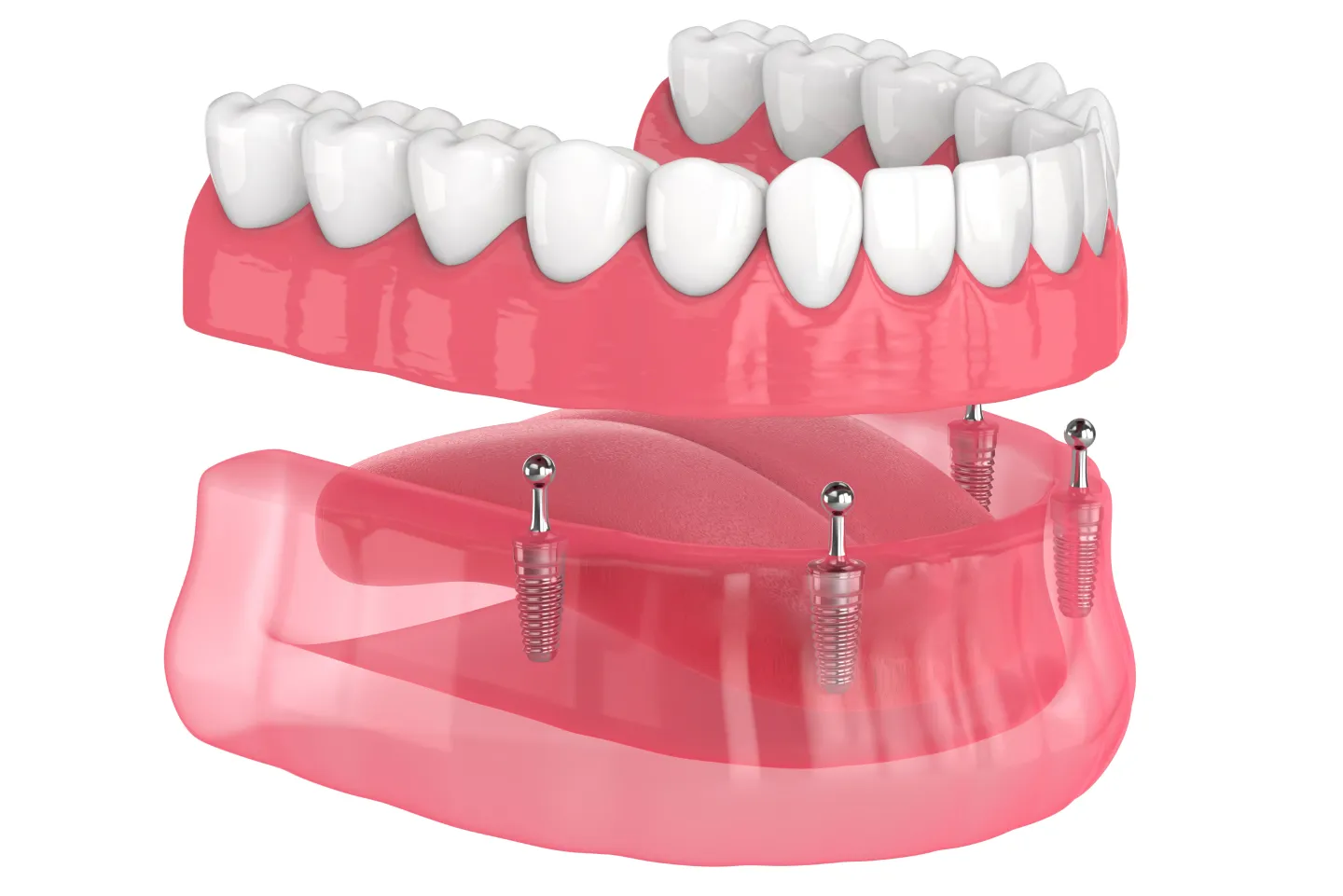
Dental implants have become one of the most dependable ways to replace missing teeth, offering long-lasting stability and a natural look. Patients at Delight Dental Studio often ask how long the entire dental implant process takes. Since dental implants are placed in stages, the total timeline varies from person to person. The length of treatment depends on factors such as bone health, the number of implants needed, and whether any preparatory procedures are required.
If you are considering dental implants, understanding the timeline can help you plan and make confident decisions.
The Implant Process Is Completed in Several Stages
Dental implants East Longmeadow, MA are not a same-day procedure for most patients. Though the surgery itself is usually quick, the entire process involves several important phases that allow the implant to heal, settle, and integrate with the jawbone. This gradual approach is what makes implants so strong and reliable.
The overall journey typically includes:
• Initial evaluation
• Preparatory treatments (if needed)
• Implant placement surgery
• Healing and osseointegration
• Abutment placement
• Final crown placement
Each step plays a specific role in ensuring the implant lasts for many years.
Phase 1: Consultation and Evaluation
The first step is a comprehensive evaluation, which includes X-rays or 3D scans. This exam helps your dentist understand the condition of your gums, your jawbone density, and whether implants are the right choice.
This visit usually takes about 45 to 60 minutes. It does not involve any surgery, but it sets the foundation for the entire treatment plan.
Phase 2: Preparatory Treatment, If Needed
Not everyone can receive an implant immediately. Some patients need additional procedures before placement.
Common preparatory steps include:
• Tooth extraction
• Bone grafting
• Treatment for gum disease
• Sinus lift (for the upper jaw)
How long these steps add to the timeline depends on the type of treatment:
Tooth extraction: Often heals in 4 to 6 weeks
Bone grafting: May require 3 to 6 months for full healing
Gum disease treatment: Varies depending on severity
These procedures create a healthier and stronger foundation for the implant.
Phase 3: The Implant Placement Surgery
The implant surgery itself is typically much quicker than most patients expect. For a single implant, the procedure usually takes 30 minutes to one hour. Multiple implants take longer but still fall within a manageable timeframe.
Here is what happens during surgery:
• Local anesthesia is used to numb the area.
• A small opening is made in the gum.
• The implant is placed into the jawbone.
• The gum tissue is closed or protected with a healing cap.
Patients can go home the same day and often return to normal activities within a day or two. Mild soreness is common but temporary.
Phase 4: Healing and Osseointegration
This phase is the main reason the implant process takes time. The implant must fuse with the jawbone in a process called osseointegration. This step ensures the implant becomes stable enough to support chewing and long-term function.
Osseointegration typically takes 3 to 6 months. The timeline depends on:
• Bone quality
• Location of the implant
• The patient’s healing capacity
• Whether grafting was done
While this healing period may feel lengthy, it is essential to the implant’s success and durability.
Phase 5: Placing the Abutment
Once the implant has fully integrated with the bone, an abutment is attached. The abutment connects the implant to the crown.
This minor procedure usually takes 20 to 30 minutes and often requires only local anesthesia. After the abutment is placed, the gums need about one to two weeks to heal.
Phase 6: Attaching the Final Crown
When the gums have healed around the abutment, impressions are taken to create your custom crown. The crown is designed to match the color, shape, and size of your natural teeth.
The final crown is typically placed in two to three weeks after impressions. Once attached, it completes the entire implant process.
Total Time Required for Dental Implant Treatment
The total timeline varies widely depending on individual needs, but here is a general estimate:
Best-case scenario (no bone grafting):
3 to 5 months from consultation to final crown.
Moderate case (simple extraction or minor grafting):
4 to 7 months.
Complex case (major bone grafting or gum treatment):
8 to 12 months.
Even though implants may require a longer treatment period, the results are long-lasting and often remain stable for decades.
Same-Day Implants: Are They an Option?
Some patients hear about same-day or immediate implants and wonder if they are suitable. These implants are placed immediately after extraction with a temporary crown.
While this is possible in some cases, it works best for patients with:
• Strong bone support
• Healthy gums
• No active infection
Most people still benefit more from the traditional multi-step process, which ensures better long-term stability.
Why Dental Implants Take Time but Are Worth It
Dental implants mimic natural tooth roots and create a solid foundation in the jawbone. This is why they require time to heal and integrate. Even though the process can take several months, the long-term benefits often outweigh the wait.
Implants provide:
• Strong chewing ability
• Long-lasting results
• A natural look and feel
• Protection against bone loss
• Improved comfort over removable dentures
Because implants become part of the bone, they offer stability that no other tooth replacement can match.
Final Thoughts
The time it takes to complete dental implant surgery depends on your oral health, bone strength, and whether additional treatments are needed. The implant placement itself is quick, but the full process takes several months to ensure long-term success.
At Delight Dental Studio, we customize every treatment plan based on each patient’s needs. Whether your case is simple or requires extra preparation, our goal is to create a strong, healthy, and natural-looking smile that lasts for years.
Awards and Affiliations
Proud member of leading dental organizations, including the American Dental Association (ADA) and the American Academy of Implant Prosthodontics (AAIP).




This form is for contact purposes only. Please do not share personal health information (PHI). We will call you to discuss medical conditions or address them during your visit.

Mon to Thu: 9 am–5 pm
Fri: 9 am–2 pm
Sat and Sun: Closed






© 2026 Delight Dental Studio | All Rights Reserved | Privacy Policy | Digital Marketing by Remedo